In 2026, more and more people face situations where their regular bank card simply doesn’t work. Payments get declined on Google Play, Apple App Store, VPN services, foreign platforms, hotel bookings, or streaming subscriptions. In such cases, virtual cards become the most practical solution.
However, the main reason users are switching to virtual cards is not just convenience — it is significantly higher security.
Why Plastic Cards Are Becoming Less Secure
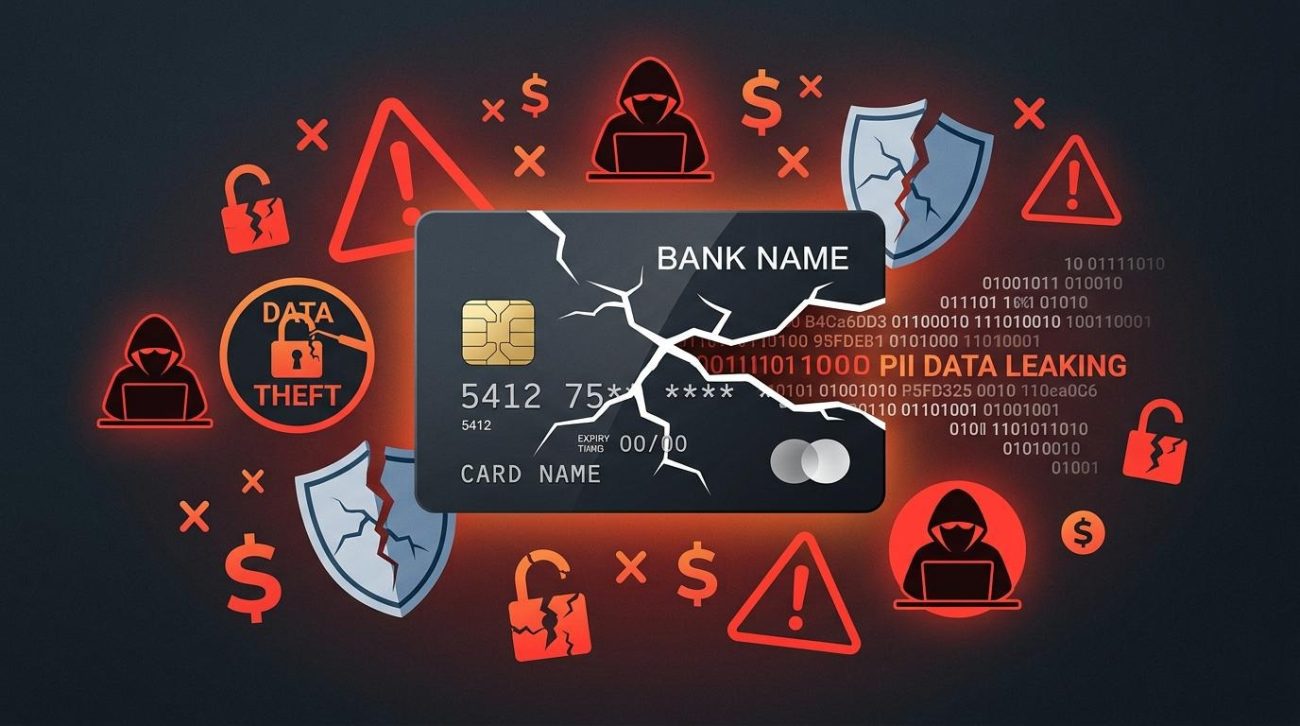
A plastic card uses the same card number and CVC code for years. If these details leak (which happens regularly), fraudsters can use them for a long time. In addition, banks and payment systems in 2026 continue to impose strict restrictions:
- Payments blocked on foreign services
- Declines on subscriptions and digital products
- Issues caused by the country of card issuance
- Frequent false triggers of fraud protection systems
As a result, users either lose access to the services they need or have to constantly explain every transaction to their bank.
What Is a Virtual Card and Why It’s More Secure
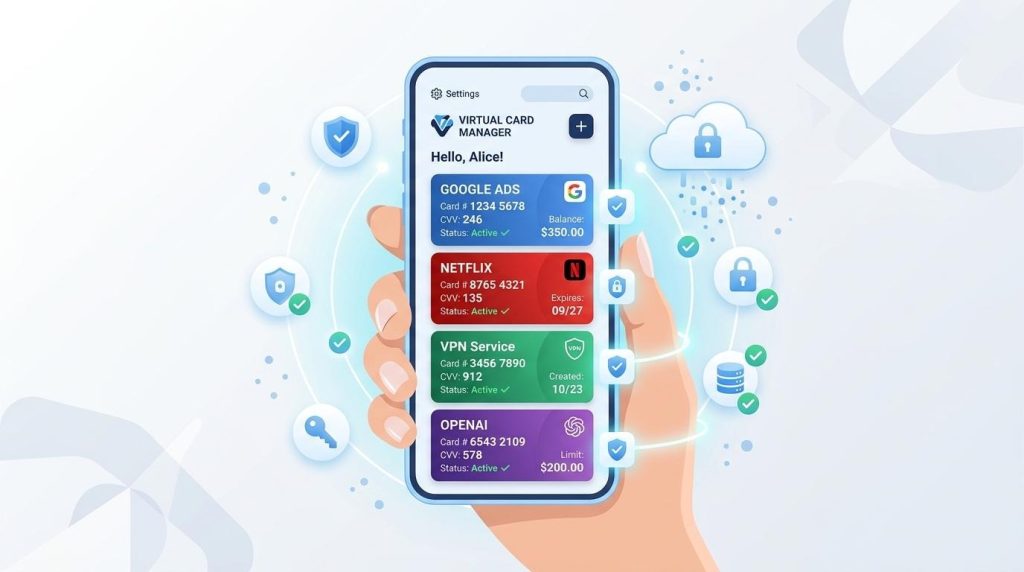
A virtual card is a fully functional bank card (with number, expiration date, and CVC) that exists only in digital form. It can be created in seconds through a banking app or a specialized service.
The biggest advantage is the ability to create a separate card for each service. This fundamentally changes the security approach.
Security Advantages of Virtual Cards
Here’s why virtual cards are considered one of the safest payment methods today:
- Limited lifetime — You can create a card for 1 day, 1 week, or 1 month. After expiration, it stops working automatically.
- Fixed spending limit — You can set a precise limit (for example, $50, $200, or $1,000). Even if the card details leak, the attacker cannot spend more than the set amount.
- One-time use option — You can generate a card specifically for one payment. After the transaction, the card becomes useless.
- Protection of main funds — Even if a virtual card is compromised, your main bank account remains safe.
- Reduced data exposure — Virtual cards prevent your main card details from being stored across multiple online services.
Using Cryptocurrency to Fund Virtual Cards
A growing number of users in 2026 fund their virtual cards using cryptocurrencies. For example, many services allow topping up with TRON (TRX) or stablecoins like USDT on the TRON network. These assets can be quickly converted into regular USD, after which the funds are credited to the virtual card. This method offers additional flexibility when traditional bank transfers face restrictions or high fees, while still maintaining the same security benefits of using disposable or limited virtual cards.
When Virtual Cards Are Especially Useful
In 2026, people actively use virtual cards for:
- Paying for subscriptions (Netflix, Spotify, YouTube Premium, ChatGPT, etc.)
- In-app purchases on Google Play and the App Store
- Paying for VPNs and foreign online services
- Booking hotels and flights on international websites
- Advertising accounts (Google Ads, Facebook Ads, TikTok Ads)
- Purchasing digital products and software
Comparison of Plastic and Virtual Cards
| Parameter | Plastic Card | Virtual Card | Winner |
|---|---|---|---|
| Validity period | 3–5 years | From 1 day to 5 years (customizable) | Virtual |
| Ability to set spending limit | Difficult | Easy and precise | Virtual |
| Risk in case of data leak | High (entire account at risk) | Low (only the card’s limit is at risk) | Virtual |
| Subscription payments | Often blocked | Works reliably | Virtual |
| Protection against fraud | Average | High | Virtual |
| Closing the card | Requires reissuance | Can be closed instantly | Virtual |
How to Use Virtual Cards Safely
To get the maximum level of protection, follow these recommendations:
- Create a separate card for each service.
- Set the lowest possible limit required for payment.
- Do not store virtual card details in open notes.
- Use services that allow instant card freezing.
- Regularly check the transaction history.
Conclusion
In 2026, virtual cards are no longer just an optional feature. For many users, they have become the primary and safest way to pay for online services. Thanks to the ability to control limits, set expiration dates, and create separate cards for each payment, virtual cards significantly reduce the risks associated with traditional plastic cards.
If you regularly pay for subscriptions, digital services, or work with international platforms, switching to virtual cards is one of the simplest and most effective ways to protect your finances.